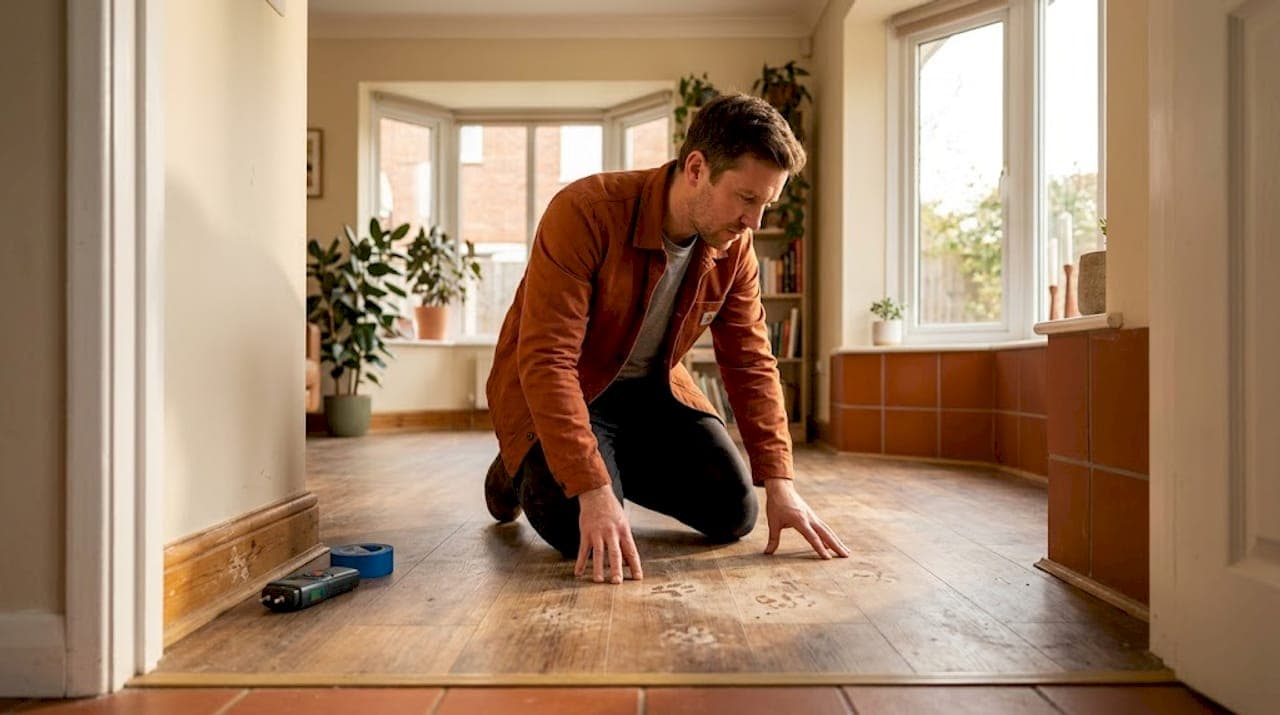
Replacing flooring in your Tucson home is never just about picking a color you like. Cracked tile, warped laminate, or carpet that traps desert dust all signal it's time to act, and the decisions you make next will determine whether your investment lasts a decade or starts failing after the first monsoon season. This guide walks you through material selection, site preparation, installation, and post-install care with Tucson's unique desert climate front and center, so you avoid the expensive mistakes that catch too many local homeowners off guard.
Table of Contents
- Assessing your flooring needs and choosing materials
- Preparing for flooring replacement: Tools, prep, and local challenges
- Step-by-step installation: Professional methods vs. DIY
- After installation: Inspect, maintain, and prevent common failures
- Finding reliable flooring installation services in Tucson
- Our expert take: Why local professional installation pays off
- Ready for expert flooring replacement? Tucson pros can help
- Frequently asked questions
Key Takeaways
| Point | Details |
|---|---|
| Know your material options | Tucson’s climate demands moisture-resistant, UV-stable flooring choices for best performance. |
| Budget for labor and prep | Installation typically costs $4–$10.50 per sq ft; removal and subfloor work add to overall expense. |
| Prep prevents costly errors | Moisture testing, acclimation, and proper underlayment are essential before installation begins. |
| Pro install beats DIY | Hiring professionals can prevent rework that adds 20–50% to total costs from common mistakes. |
| Use trusted local installers | Choose companies with positive reviews that know Tucson’s flooring pitfalls and solutions. |
Assessing your flooring needs and choosing materials
The first step is knowing when replacement is actually necessary. Warping, soft spots underfoot, persistent odors, grout that crumbles, or flooring that's simply over 15 years old are all clear signals. For allergy sufferers, old carpet holding Sonoran dust and pollen is a serious health concern, not just an aesthetic issue.
Once you decide to replace, material choice matters enormously in Tucson. The desert climate brings intense UV exposure, low humidity most of the year, and sudden moisture spikes during monsoon season from July through September. Not every flooring type handles that combination well.
Here's a quick comparison of the most popular options for Tucson homes:
| Material | Durability | UV resistance | Moisture resistance | Cost range (installed) |
|---|---|---|---|---|
| Luxury vinyl plank (LVP) | Excellent | Good | Excellent | $4.50–$10.50/sq ft |
| Laminate | Good (with specs) | Moderate | Moderate | $5–$7/sq ft |
| Hardwood | Moderate | Low | Low | $8–$16/sq ft |
| Porcelain tile | Excellent | Excellent | Excellent | $7–$14/sq ft |
| Carpet | Moderate | Low | Poor | $3–$8/sq ft |
| Polyaspartic coating | Excellent | Excellent | Excellent | $5–$12/sq ft |
LVP installation in Tucson totals $4.50–$10.50 per sq ft, covering materials at $2.50–$6 and labor at $2–$4.50. Laminate averages $5–$7 per sq ft installed. For garage floors and outdoor spaces, polyaspartic coatings outperform epoxy for UV resistance and heat tolerance, while laminate is only viable with proper high-density HDF core specs and vapor underlayment.
Key material recommendations for Tucson:
- LVP with a 12 mil wear layer or higher for high-traffic areas
- Porcelain tile for bathrooms, kitchens, and sun-exposed rooms
- Moisture-rated laminate with HDF core only, never standard MDF core
- Avoid solid hardwood in rooms with direct sun or concrete subfloors
Pro Tip: Always ask for moisture-tested laminate products and UV-resistant finish options when shopping locally. These specs are non-negotiable in Tucson's climate, and a reputable supplier will know exactly what you mean.
Our flooring services Tucson team helps homeowners narrow down material choices based on their specific room conditions, sun exposure, and budget before a single board is ordered.
Preparing for flooring replacement: Tools, prep, and local challenges
Once you have the right materials, it's crucial to prep your space to avoid Tucson-specific problems. Poor preparation is the single biggest cause of flooring failure in this region, and it's almost always avoidable.
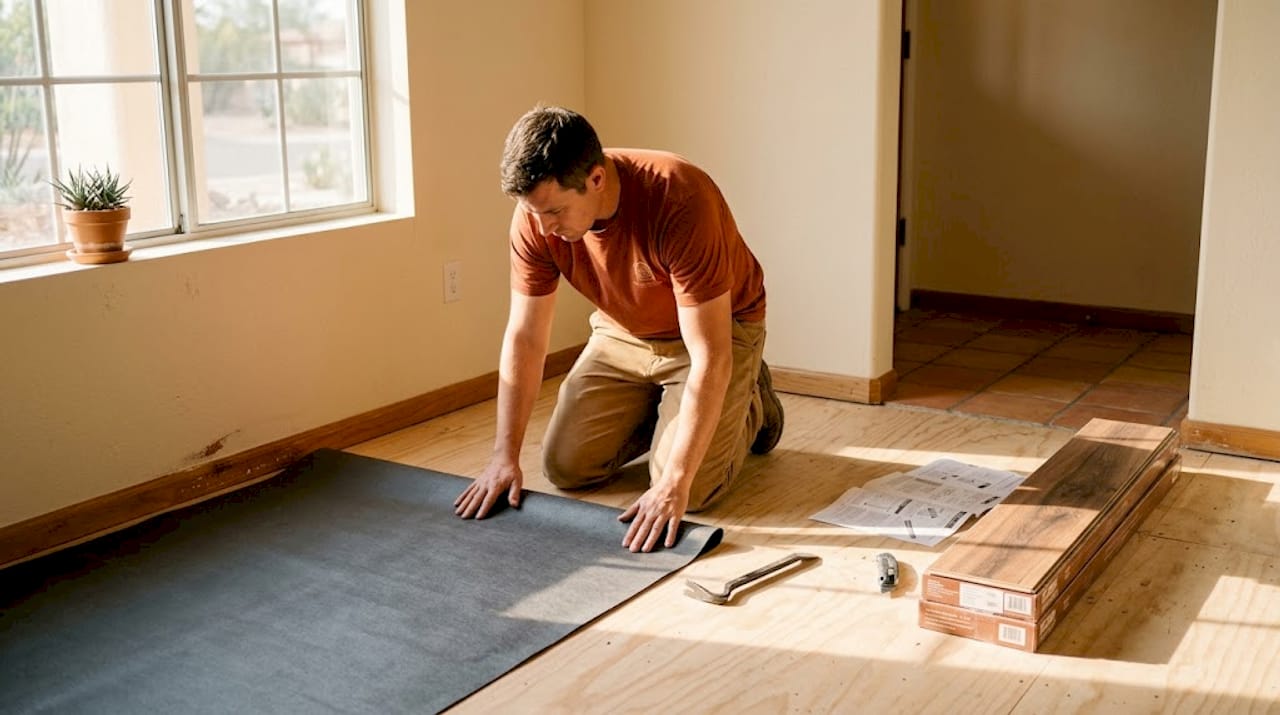
Essential tools and materials for the job:
| Tool or material | Purpose |
|---|---|
| Moisture meter | Test subfloor before and after monsoon season |
| Floor scraper and pry bar | Remove old flooring cleanly |
| Circular saw and jigsaw | Cut flooring to fit |
| Vapor barrier (6 mil poly) | Protect against concrete slab moisture |
| Self-leveling compound | Correct subfloor dips and high spots |
| Tapping block and pull bar | Seat click-lock planks without damage |
Step-by-step prep process:
- Remove all furniture and appliances from the room.
- Pull up old flooring, including staples, adhesive residue, and tack strips.
- Inspect the subfloor for soft spots, rot, or cracking.
- Test moisture levels. The standard threshold is less than 3 lbs per 1,000 sq ft per 24 hours for concrete slabs. Anything above that requires a vapor barrier before installation.
- Level the subfloor. Dips greater than 3/16 inch over 10 feet cause click-lock planks to flex and separate over time.
- Install vapor barriers on all concrete slab areas.
- Acclimate new flooring materials in the room for 48–72 hours before installation.
- Plan transition strips at doorways and height changes before laying the first board.
Hardwood installation labor in Tucson runs $4–$8 per sq ft, with old flooring removal adding $1–$3 per sq ft. Budget for both from the start.
Warning: Skipping subfloor leveling or moisture testing to save time is the most common reason Tucson homeowners end up paying for a full reinstall within two years. Rework costs almost always exceed the original installation price.
Pro Tip: Use your moisture meter twice, once before the monsoon season and once after, if your project timeline spans those months. Concrete slabs in Tucson absorb ground moisture during heavy rain events, and a reading taken in May may look very different in September.
If your subfloor needs significant repair before new flooring goes down, our carpentry services Tucson team handles subfloor patching and leveling as part of a complete flooring project. For rooms that also need wall repairs or trim work, cosmetic upgrades Tucson covers those finishing details.
Step-by-step installation: Professional methods vs. DIY
With prep done, you're ready for installation, and this is where Tucson's unique challenges make the biggest difference between a job that holds up and one that fails.
Standard installation process:
- Snap a chalk line to establish a straight starting row.
- Install the first row along the longest wall, leaving a 1/4 to 3/8 inch expansion gap at all walls and fixed objects.
- Stagger end joints by at least 6 inches between rows to prevent a weak grid pattern.
- Use a tapping block to seat each plank without damaging the locking edge.
- Cut the final row to width with a circular saw or jigsaw.
- Install transition strips at doorways, stairs, and height changes.
- Add baseboards or quarter-round molding to cover expansion gaps.
Where DIY commonly fails in Tucson:
- Skipping or underestimating expansion gaps, causing buckling when indoor temperatures swing
- Using standard laminate without checking for HDF core specs, leading to moisture vapor warping post-monsoon
- Missing subfloor soft spots that create squeaks or plank separation within months
- Improperly handled transitions at doorways where floor heights differ
- Voiding manufacturer warranties by not following installation specs exactly
Professional installation is critical over DIY specifically because of subfloor complexities, transitions, and warranty requirements. Bad installs lead to 20–50% cost overruns from rework, which quickly erases any savings from going the DIY route.
Pro Tip: Get at least two quotes from licensed local installers before deciding to DIY. The price difference is often smaller than homeowners expect, and professional work typically includes a warranty that protects you if anything shifts or separates.
If your flooring project involves patching walls or repairing drywall around baseboards, our drywall repair Tucson service handles those repairs as part of a complete room refresh.
After installation: Inspect, maintain, and prevent common failures
Your new flooring is in. Now learn how to verify the outcome and protect your investment for the long term.
Post-installation inspection checklist:
- Walk every plank or tile and listen for hollow sounds, which indicate poor adhesion or unlevel subfloor
- Check all expansion gaps are present and consistent at walls and thresholds
- Inspect transition strips for secure attachment and smooth height changes
- Look for seams that are lifting, gapping, or misaligned
- Confirm grout lines in tile are fully cured and sealed
After the first monsoon season, do a second walkthrough. Moisture vapor from concrete slabs can cause laminate to warp or buckle if vapor barriers were inadequate. Catching this early means a targeted fix rather than a full replacement.
Common maintenance mistakes to avoid:
- Using wet mops on laminate or hardwood, which introduces moisture over time
- Ignoring humidity control indoors during monsoon season
- Skipping furniture pads under chair legs and heavy furniture
- Using harsh chemical cleaners that degrade finish coatings
- Letting spills sit on any flooring type for more than a few minutes
- Dragging appliances or furniture across the floor during moves
Routine care is simple: sweep or vacuum regularly to remove abrasive desert grit, use a damp (not wet) microfiber mop for LVP and tile, and keep indoor humidity between 35% and 55% year-round with a dehumidifier during monsoon months.
If your flooring project is part of a larger room update, pairing new floors with fresh walls makes a dramatic difference. Our interior painting Tucson service can coordinate with your flooring timeline for a complete room transformation.
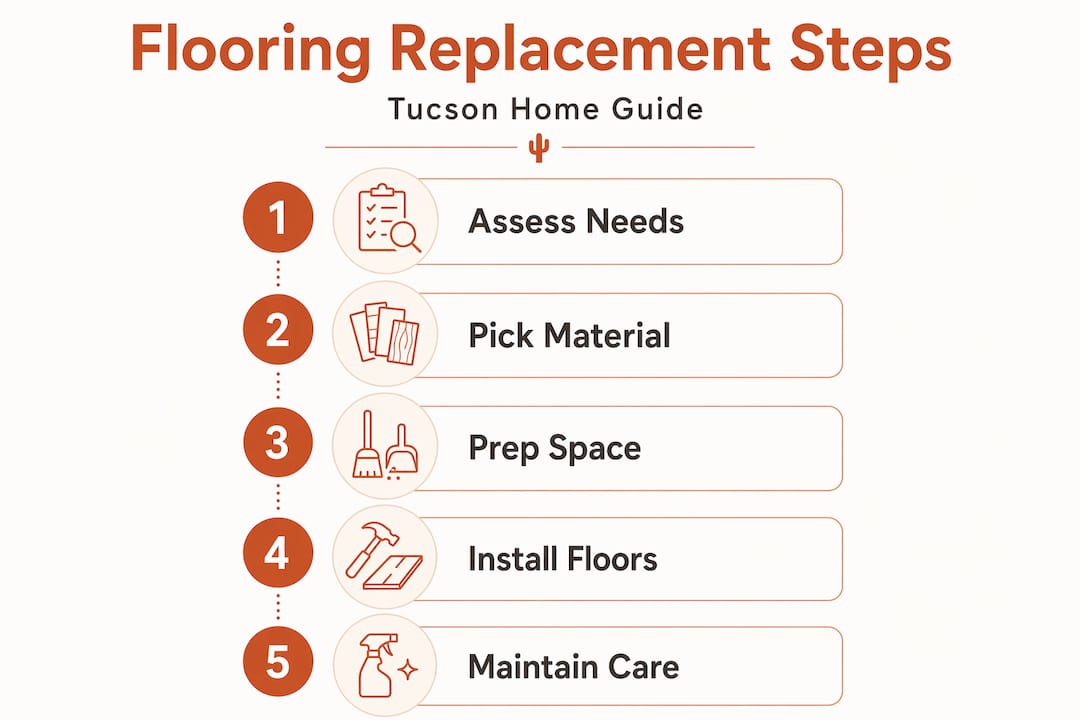
Finding reliable flooring installation services in Tucson
Finally, make sure you choose the right professionals for the job. The Tucson market has solid options, but quality varies widely.
Yelp reviews for Tucson flooring companies show that companies like Flooring Direct, Complete Flooring, and Fuentes Flooring earn consistent praise for professional installation and clear communication. Express Flooring receives more mixed feedback, particularly around follow-through after the sale.
Questions to ask before hiring any installer:
- Are you licensed and insured in Arizona?
- Do you handle subfloor repair, or is that a separate contractor?
- What warranty do you offer on labor, and what voids it?
- How do you handle moisture testing before installation?
- Can you provide references from Tucson-area projects completed in the last 12 months?
- What happens if problems appear after monsoon season?
Red flags to watch for:
- Quotes that don't include subfloor prep or removal costs
- Pressure to sign same-day without a written scope of work
- No mention of moisture testing or acclimation requirements
- Vague warranty language that excludes "environmental conditions"
Working with trusted Tucson flooring installers who understand local subfloor conditions, monsoon impacts, and material specs saves you from the most expensive mistakes in this market.
Our expert take: Why local professional installation pays off
Here's the perspective that most flooring articles won't give you: the DIY math almost never works out in Tucson the way homeowners expect it to.
The myth is that renting tools and buying materials saves 30–40% over hiring a pro. The reality is that most of that savings disappears the moment you encounter a moisture problem, a soft spot in the subfloor, or a transition that doesn't sit flush. These aren't edge cases in Tucson. They're common.
We've seen homeowners complete a 600 sq ft LVP install themselves, feel great about it in April, and then call us in October because the planks are buckling after monsoon season. The rework, including removal, subfloor correction, new materials, and reinstallation, costs more than the original professional quote would have.
Professional installation isn't just about skill. It's about accountability. A licensed installer who warranties their work has a financial reason to do the subfloor prep correctly the first time. A weekend DIYer doesn't.
Our honest advice: DIY is fine for small repairs or low-stakes rooms. For whole-room or whole-home flooring replacement in Tucson, the combination of subfloor variability, monsoon moisture risk, and warranty protection makes professional installation the smarter financial decision in almost every case. Our flooring expertise Tucson team is built around exactly this kind of local, climate-aware installation.
Ready for expert flooring replacement? Tucson pros can help
Replacing flooring in your Tucson home doesn't have to be stressful or uncertain. The practical steps in this guide give you the knowledge to make smart decisions, but having the right local team makes all the difference in execution.
At ClickFix, we offer automatic quotes and flexible scheduling so you can book flooring replacement on your timeline without waiting for callbacks or chasing estimates. Based in Marana and serving Tucson, Oro Valley, Vail, and surrounding communities, we handle everything from subfloor prep to final trim. Explore your flooring options Tucson or browse the full range of Tucson home services we provide. Get your quote today and start your project with confidence.
Frequently asked questions
How much does flooring replacement cost in Tucson?
Flooring replacement ranges from $4–$10.50 per sq ft depending on material and labor, with hardwood labor running $4–$8 per sq ft and LVP totaling $4.50–$10.50 per sq ft installed. Add $1–$3 per sq ft for old flooring removal.
What is the most durable flooring for Tucson homes?
Luxury vinyl plank and properly specified laminate with HDF cores handle Tucson's climate well indoors, while polyaspartic coatings are the top choice for garages and exterior surfaces.
Do I need a moisture barrier for flooring installation in Tucson?
Yes, a vapor barrier is recommended for all concrete slab installations. Proper subfloor prep requires moisture levels below 3 lbs per 1,000 sq ft per 24 hours before any flooring goes down.
Can I DIY flooring replacement or should I hire a pro?
DIY is possible for small areas, but professional installation prevents the subfloor and transition errors that cause 20–50% cost overruns from rework in Tucson homes.