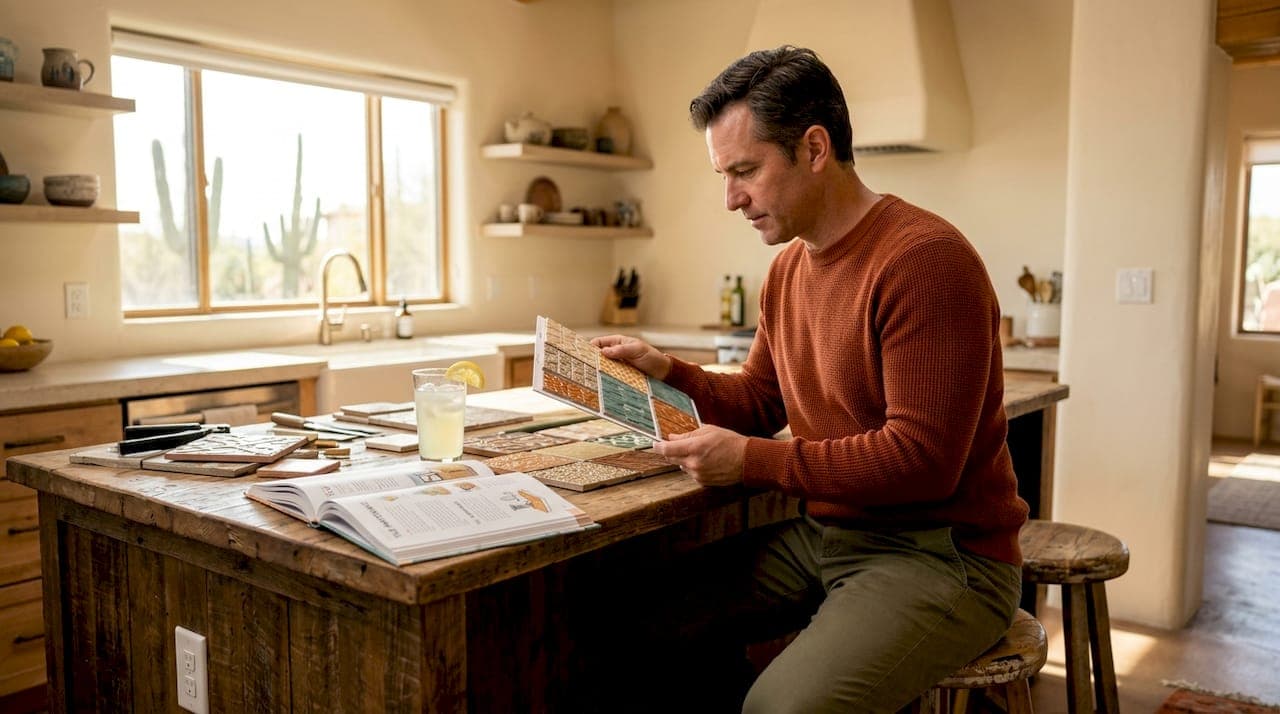
Picking bathroom tile in Arizona is nothing like shopping for tile anywhere else. You're dealing with intense sun that bakes surfaces all day, temperatures that swing dramatically between seasons, and those summer monsoons that push humidity into spaces that were bone-dry just hours before. The wrong tile can crack, stain, become dangerously slippery, or demand constant maintenance that nobody has time for. The right tile, though, can make your bathroom look stunning for decades while standing up to everything the Sonoran Desert throws at it. This guide breaks down every major tile type, what actually works in Tucson, Marana, Oro Valley, and Vail bathrooms, and how to make a decision you'll be happy with long-term.
Table of Contents
- How to pick the best tile for Arizona bathroom conditions
- Porcelain tile: The top performer for Arizona bathrooms
- Ceramic tile: A versatile choice, when and where it shines
- Other tile options: Natural stone and alternatives
- Comparing tile types for Arizona bathrooms
- A local expert's take: What matters most for long-lasting Arizona bathrooms
- Ready to upgrade? Find reliable help for your Arizona bathroom project
- Frequently asked questions
Key Takeaways
| Point | Details |
|---|---|
| Porcelain tile advantage | Porcelain is best for Arizona bathrooms due to its water-resistance, durability, and stain protection. |
| Ceramic tile uses | Ceramic suits bathroom walls and decorative accents but is less ideal for floors prone to water. |
| Slip-resistant choices | Always pick textured or slip-resistant tile surfaces for safety, especially in showers and homes with seniors. |
| Routine grout care | Annual grout sealing is key for showers while floors can go up to two years for best results in Arizona. |
| Stone tile considerations | Natural stone offers luxury but requires more maintenance and frequent sealing compared to porcelain. |
How to pick the best tile for Arizona bathroom conditions
Now that you know why picking the right tile is important, let's clarify what to look for before you shop.
Arizona bathrooms face a combination of stressors that most national buying guides simply ignore. The sun is relentless, the air is dry most of the year, and then the monsoon season arrives and flips everything. Tile that performs beautifully in a humid coastal climate may crack, warp, or become a slipping hazard here. Knowing your criteria before you walk into a showroom saves you from expensive regret.
Key factors to evaluate before choosing tile:
- Slip resistance: Slip resistance is a key consideration for wet floors, especially shower floors and bathrooms used by seniors or kids. Look for tiles rated with a higher COF (coefficient of friction) score, which measures how much grip the surface provides when wet.
- Durability under temperature swings: Arizona homes can go from air-conditioned cool to outdoor heat in seconds. Tile and grout need to handle that expansion and contraction without cracking.
- Waterproofing and sealing needs: Tucson's hard water leaves mineral deposits fast. Some tile types need regular sealing to stay stain-free and structurally sound.
- Color and texture for desert light: Arizona light is bright and direct. High-gloss tiles will show every water spot, fingerprint, and dust particle. Matte or slightly textured surfaces hide the everyday mess that desert living creates.
- Grout color strategy: Light grout shows hard water stains almost immediately in Arizona. Medium or darker grout tones are far more forgiving.
You'll also want to think about how your plumbing updates interact with your tile choice. If you're planning new fixtures or a shower system, tile layout and waterproofing need to be coordinated from the start, not added as an afterthought.
Pro Tip: Go with a textured tile surface and a mid-tone grout color. In desert homes, dust settles constantly and hard water spots appear after every shower. Textured tiles and medium-gray or warm-beige grout hide both problems between cleanings, cutting your maintenance time significantly.
Porcelain tile: The top performer for Arizona bathrooms
With your criteria in mind, let's look at why porcelain stands out as an all-star in Arizona bathrooms.
Porcelain tile is fired at extremely high temperatures, which makes it denser, less porous, and highly resistant to stains, scratches, and water damage. In practical terms, that means water doesn't soak in, stains wipe off easily, and the surface holds up in a busy household bathroom for years without special treatment.
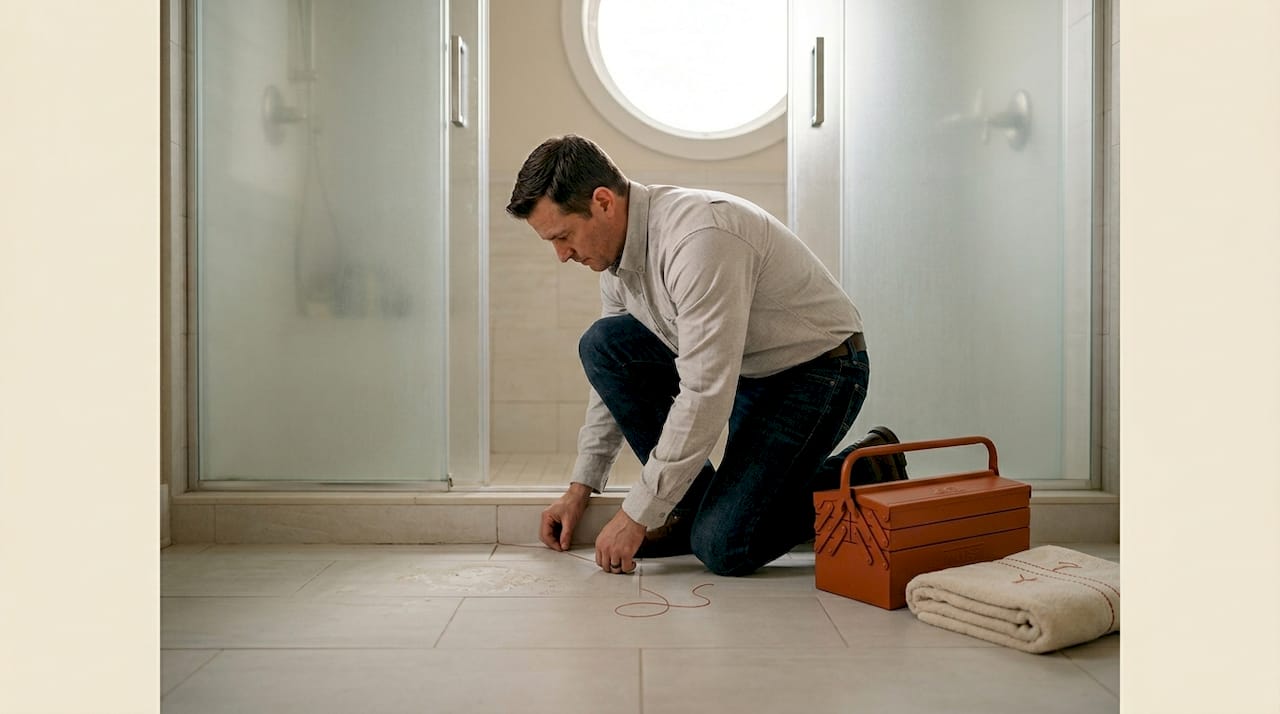
For Arizona specifically, porcelain's near-zero water absorption rate is a major advantage. Hard water minerals have fewer places to penetrate and bond, so cleaning is faster and the tile stays looking fresh longer. It also handles the thermal stress of Arizona's temperature swings better than more porous materials.
Why porcelain works so well in Arizona bathrooms:
- Durability: Resists chips, scratches, and heavy foot traffic without showing wear
- Stain resistance: Hard water deposits and soap scum wipe off without harsh chemicals
- Low maintenance: No sealing required for most porcelain tile, unlike natural stone
- Versatility: Works on floors, walls, shower surrounds, and even countertops
- Design range: Available in wood-look, stone-look, and geometric patterns to match any style
One important stat worth knowing: porcelain tile is rated by the Porcelain Enamel Institute (PEI) on a scale of 1 to 5 for wear resistance. For bathroom floors, aim for PEI 3 or higher. For walls only, PEI 1 or 2 is fine. That rating system helps you match the tile to the actual wear it will face.
When you're planning flooring upgrades for your bathroom, porcelain is almost always the safest long-term investment. The upfront cost is slightly higher than ceramic, but the dramatically lower maintenance over a decade makes it the better value for most Arizona homeowners.
Pro Tip: Choose matte or lightly textured porcelain for shower floors. Polished porcelain looks gorgeous, but it becomes slippery when wet. A matte finish gives you the same clean, modern look with far better grip where it counts most.
Ceramic tile: A versatile choice, when and where it shines
Porcelain isn't your only option. Let's talk about ceramic tile and where it adds real value.
Ceramic tile is made from a similar clay base as porcelain, but fired at lower temperatures. That makes it less dense and slightly more porous. The trade-off is that ceramic is more affordable, easier to cut, and comes in an enormous range of colors, patterns, and textures. For the right application, ceramic is a smart, budget-friendly choice.
"Ceramic is generally more oriented to wall applications." — Arizona Tile
That expert consensus lines up with what we see in practice. On bathroom walls, ceramic performs beautifully. It's not subjected to foot traffic, standing water, or the same physical stress as floors. You get all the design flexibility and color options at a lower price point.
Where ceramic tile shines in Arizona bathrooms:
- Backsplashes and accent walls where water exposure is minimal
- Decorative borders and feature strips that add visual interest
- Guest bathrooms with light use where heavy-duty durability isn't critical
- Budget-conscious renovations where the goal is a designer look for less
The key limitation is moisture. Ceramic's higher porosity means it can absorb water over time if the glaze is compromised or grout cracks. On bathroom floors, especially shower floors, that's a real risk in a humid environment like monsoon season. Proper sealing helps, but it adds ongoing maintenance that porcelain simply doesn't require.
The design upside of ceramic is genuinely impressive. If you want to mix colors, create a mosaic pattern, or achieve a handmade artisan look, ceramic gives you more options per dollar than almost any other material. Pair it with the right wall finishes and you can create a bathroom that looks like it came out of a design magazine without the designer price tag.
Other tile options: Natural stone and alternatives
Beyond the most common choices, some homeowners consider stone or cutting-edge alternatives. Here's what you need to know.
Natural stone tile, including travertine, marble, and slate, brings a level of visual richness that manufactured tile simply can't replicate. Each piece is unique. The veining in marble, the earthy texture of travertine, and the rugged surface of slate all create bathrooms that feel genuinely luxurious.
Natural stone options at a glance:
- Travertine: Warm, earthy tones that complement Arizona's desert palette beautifully. Porous and requires regular sealing.
- Marble: Elegant and timeless. Very sensitive to hard water etching and acidic cleaners. High maintenance in Arizona's mineral-rich water environment.
- Slate: Naturally textured and slip-resistant. More durable than marble but still needs sealing to prevent staining.
The biggest challenge with natural stone in Arizona is hard water. Tucson's water is notoriously mineral-heavy, and those minerals etch and stain unsealed stone surfaces quickly. Grout sealing in Tucson is treated as a critical part of maintenance, with professional sealing lasting about two years for standard tile floors and tiled showers often needing annual sealing depending on usage. For natural stone, that schedule is even more demanding.
| Tile type | Durability | Sealing needed | Avg. cost per sq ft | Best placement |
|---|---|---|---|---|
| Porcelain | Excellent | Rarely | $3 to $10 | Floors, walls, showers |
| Ceramic | Good | Occasionally | $1 to $7 | Walls, backsplashes |
| Travertine | Moderate | Yes, annually | $5 to $15 | Accent floors, walls |
| Marble | Moderate | Yes, annually | $8 to $25 | Feature walls, vanities |
| Slate | Good | Yes, every 1 to 2 years | $4 to $12 | Floors, shower floors |
| Luxury vinyl tile | Good | Never | $2 to $6 | Floors, budget renovations |
Luxury vinyl tile (LVT) deserves a mention as a practical alternative. It's 100% waterproof, comfortable underfoot, and installs quickly. For a budget renovation or a rental property, LVT offers solid performance. The trade-off is longevity and resale value. Most buyers still prefer real tile in bathrooms, and LVT can show wear faster under heavy use. For cosmetic upgrades that need to happen quickly and affordably, LVT is worth serious consideration.
Comparing tile types for Arizona bathrooms
With the pros and cons clear, use this comparison table and checklist to guide your final choice.
| Feature | Porcelain | Ceramic | Natural stone |
|---|---|---|---|
| Durability | Excellent | Good | Moderate to good |
| Slip resistance | Good (textured) | Good (textured) | Varies by type |
| Water resistance | Excellent | Moderate | Poor unsealed |
| Maintenance level | Low | Low to medium | High |
| Best for floors | Yes | Limited | With sealing |
| Best for walls | Yes | Excellent | Yes |
| Cost | Moderate | Low | High |
Situational recommendations for Arizona bathrooms:
- Walk-in showers: Textured porcelain on floors, porcelain or ceramic on walls
- Kids' bathrooms: Slip-resistant textured porcelain, medium-tone grout
- Guest bathrooms: Ceramic walls with porcelain floors for a cost-effective finish
- Steam showers: Porcelain only. Steam penetrates porous materials aggressively.
- Master bath accent walls: Marble or travertine for visual impact, sealed and maintained properly
One local nuance that national guides miss entirely: your sealing schedule needs to match Arizona's seasons. Grout sealer performance is tied to timing, with drier winter conditions producing the best results and monsoon humidity reducing sealer effectiveness if applied at the wrong time. February is consistently the best month to reseal grout in Tucson-area bathrooms. Mark your calendar now.
For bathroom renovations that involve structural changes, plan your tile selection before any demo begins. Substrate preparation, waterproofing membranes, and backer board choices all depend on which tile you're using.
A local expert's take: What matters most for long-lasting Arizona bathrooms
Here's the honest truth that most tile articles won't tell you: the material you choose matters less than how well you maintain it and whether it matches your actual lifestyle.
We've seen gorgeous marble bathrooms in Tucson that look terrible after three years because the homeowner didn't account for the hard water maintenance schedule. We've also seen basic ceramic tile bathrooms that still look sharp after a decade because the grout was sealed on time and the right cleaning products were used consistently. The tile is only part of the equation.
Arizona's climate creates a specific maintenance rhythm that national home improvement guides completely ignore. The monsoon season isn't just a weather event. It's a stress test for every sealed surface in your bathroom. Humidity spikes during July and August can cause grout to absorb moisture it normally wouldn't, especially if your sealing is overdue. Then the dry winter months follow, and that moisture evaporates, leaving mineral deposits behind. This cycle repeats every year, and it accelerates the wear on any tile that isn't properly sealed and maintained.
The contrarian view we'd offer from years of local experience: stop chasing the most expensive tile and start thinking about the tile and grout combination that fits your actual cleaning habits. If you travel frequently and your bathroom goes weeks without attention, porcelain with epoxy grout is your best friend. If you love a high-maintenance look and actually enjoy bathroom upkeep, travertine or marble can be spectacular. The mismatch between lifestyle and material is the number one reason Arizona bathroom renovations disappoint.
High-gloss tiles also deserve a warning. They photograph beautifully in showrooms and on social media, but in a desert bathroom with hard water, they show every single water spot within hours of cleaning. Unless you're willing to squeegee your shower walls after every use, matte finishes will make your life significantly easier.
Ready to upgrade? Find reliable help for your Arizona bathroom project
Now that you're ready to make a decision, here's how to get expert installation for a bathroom built to last.
Knowing which tile to choose is half the battle. Getting it installed correctly, with proper waterproofing, substrate prep, and grout sealing, is what actually determines how long your bathroom looks great. Local knowledge matters here. A contractor who understands Arizona's hard water, monsoon cycles, and temperature swings will make decisions during installation that protect your investment for years.
At ClickFix AZ, we're based right here in Marana and serve homeowners throughout Tucson, Oro Valley, Vail, and the surrounding area. Whether you need help with flooring projects, cosmetic tile help, or a full bathroom renovation, we offer automatic quotes and easy online booking that fits your schedule. No waiting for callbacks, no guessing on pricing. Just reliable local help from a team that knows what Arizona bathrooms actually need. Book a pro today and get your project moving.
Frequently asked questions
How often should I reseal grout in my Arizona bathroom shower?
In Tucson and surrounding areas, tiled showers need annual sealing due to usage and climate, while standard bathroom floors typically need resealing every two years.
Is porcelain or ceramic tile better for Arizona bathroom floors?
Porcelain is the better choice for wet bathroom floors because it is denser, less porous, and highly resistant to stains and water damage compared to ceramic.
What is the safest tile for a bathroom with elderly family members?
Textured or slip-resistant tiles are the safest option for wet floors, since slip resistance is a key consideration for households with seniors or young children.
When is the best time of year to apply grout sealer in Tucson?
Drier winter months like February give you the best results, since monsoon humidity reduces sealer effectiveness when applied during summer conditions.